Top Benefits from a Professional Bed Bug Exterminator
Bed Bug Heat Treatment: The Ultimate Guide to a Bug-Free Living Space
Heat treatment for bed bugs has emerged as a reliable, chemical-free solution for homeowners. This technique successfully elevates temperatures to destroy every life stage of these insects. Understanding its mechanics and benefits is essential for homeowners dealing with infestations. Thorough preparation and post-treatment maintenance can substantially affect results. Yet, many homeowners neglect important measures. What actions are needed to secure a durable, pest-free living space? Investigating these elements can deliver understanding and support.
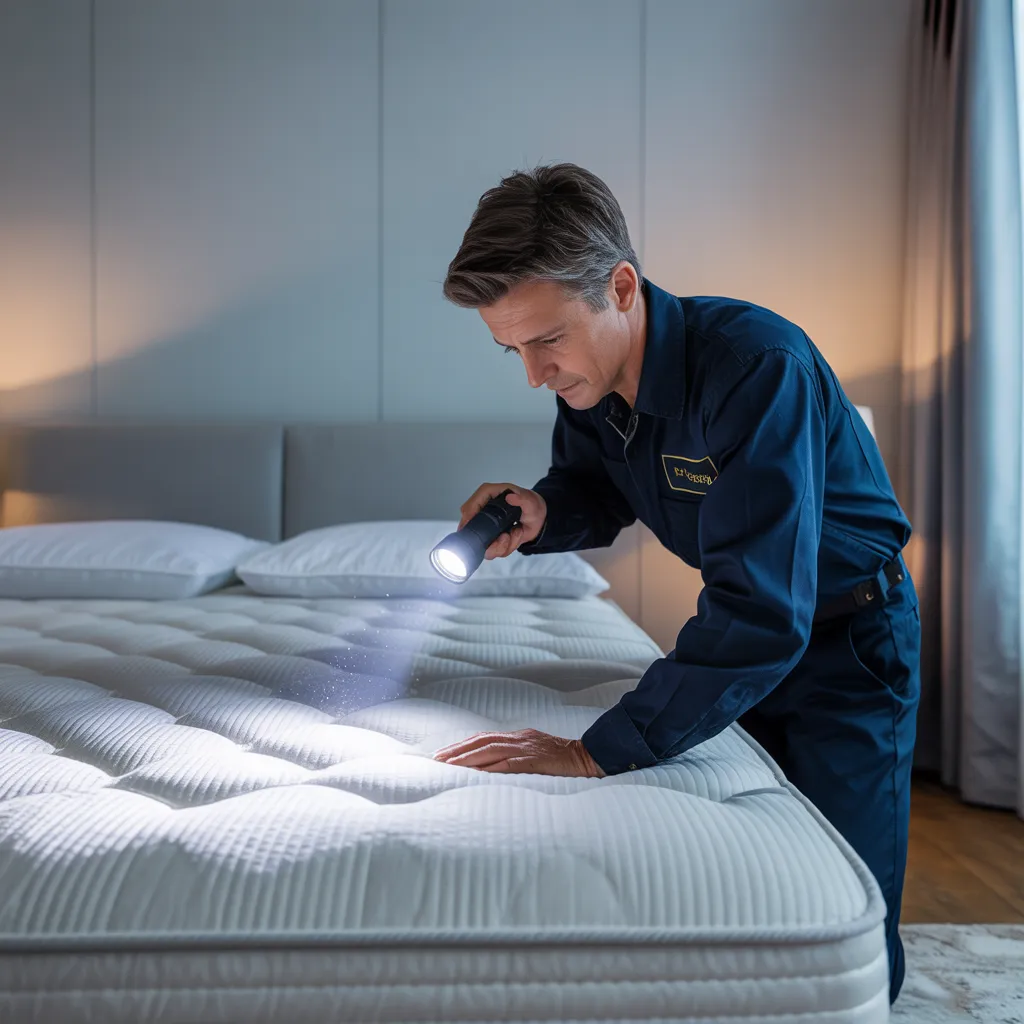
Why Bed Bugs Are a Major Concern for Homeowners
Although bed bugs may seem like a minor nuisance, they pose significant challenges for homeowners. These pests, which can rapidly multiply, create anxiety and discomfort due to their nocturnal feeding habits. Their bites can lead to allergic reactions and secondary infections, making eradication essential. Additionally, bed bugs are notoriously difficult to eliminate; they can hide in tiny crevices and survive without feeding for extended periods.
The negative stigma linked to bed bug infestations can also affect property values and rental opportunities. Property owners often encounter financial burdens from ongoing treatment efforts and financial setbacks in the hospitality industry. Moreover, the mental burden of coping with an infestation can lead to tension and restless evenings.
How Does Heat Treatment Work for Bed Bugs?
Heat treatment effectively eliminates bed bugs by increasing the temperature in affected areas to temperatures that are deadly for these insects. Typically, this involves heating a room or space to a maintained temperature of 120°F to 140°F (49°C to 60°C). At these temperatures, bed bugs, including their eggs and nymphs, cannot survive for prolonged periods.
The process requires professional-grade equipment to guarantee even heat distribution, penetrating every area where bed bugs could be concealed, such as mattresses, furniture, and cracks in walls. It is essential to monitor the temperature throughout the treatment to verify the treatment's success.
Heat treatment is a chemical-free method, making it environmentally friendly and safe for households. However, it necessitates thorough preparation, such as removing heat-sensitive belongings and ensuring the area is properly sealed to sustain the required high temperature. This technique not only eradicates visible insects but also tackles hidden colonies, offering a thorough and complete resolution to pest infestations.
Advantages of Heat Treatment for Bed Bugs Over Other Methods
The advantages of heat treatment for bed bugs become apparent when measured against standard pest control techniques. As opposed to chemical methods, heat successfully eradicates all developmental stages of bed bugs, such as eggs, larvae, and adults, ensuring complete eradication. This approach reaches deep into furniture, walls, and bedding, reaching temperatures lethal to these pests.
Additionally, heat treatment is environmentally friendly, as it does not require the use of harmful chemical agents that can present health concerns for humans and pets. It also decreases the risk of pest resistance, a common issue with chemical treatments, as bed bugs are unlikely to survive high temperatures.
In addition, heat treatments usually only need only one application, minimizing the time and cost involved in multiple rounds of chemical treatment. All things considered, heat treatment proves to be a comprehensive, effective, and safer option for ensuring a pest-free home.
How to Set Up Your Home for Effective Heat Treatment
Getting a home for thorough heat treatment against bed bugs involves several important considerations. As a first step, it is essential to remove all clutter from the treatment area to ensure complete heat penetration. Additionally, protecting heat-sensitive items is essential to avoid damage throughout the treatment.
Prepare The Treatment Area
A thorough preparation of the treatment area is essential for optimal heat treatment against bed bugs. Homeowners ought to start by decluttering the space, eliminating any unnecessary objects that may interfere with the treatment process. Furniture must be shifted away from walls, permitting heat to move freely throughout the space. Bedding, clothing, and personal belongings must be relocated to protect items and ensure thorough heat distribution. It is equally important to vacuum the space to remove any present bed bugs and their eggs before treatment. To conclude, closing all windows and doors stops heat from escaping, improving the overall efficiency of the treatment. Carefully preparing the treatment area enhances the probability of successfully removing bed bugs and achieving a pest-free home.
Protect Thermally Sensitive Items
Following the clearance of the treatment area, attention must turn to protecting temperature-sensitive belongings. These heat-sensitive objects, such as electronics, delicate fabrics, and artwork, are susceptible to damage from high temperatures used during heat treatment. You must pinpoint and relocate these items from the treatment zone. All electronics should be disconnected and placed in a cooler room, as delicate fabrics may need to be relocated to a protected area. In addition, any heat-sensitive items including medications and cosmetics should be carefully packed away. Homeowners are advised to reference manufacturer recommendations for particular items to guarantee safe storage. By taking these precautionary steps, homeowners can protect their valuables while maximizing the effectiveness of the heat treatment against bed bugs.
What You Can Expect During Heat Treatment
Throughout heat-based treatment for bed bug infestations, comprehensive planning is vital to ensure effectiveness. Homeowners can look forward to a methodical method that involves tracking heat levels and ensuring that all spaces are sufficiently exposed to heat. After the heat treatment, specific follow-up measures will be supporting information required to verify effectiveness and protect against future bed bug problems.
Preparation Before Treatment
Getting ready for heat treatment requires a number of important steps to ensure safety and effectiveness. Initially, residents should tidy up the area to ensure all surfaces are accessible. Items such as curtains, clothing, and bedding need to be cleaned in hot water and dried on high heat to eliminate any concealed bed bugs. All furniture should be pulled away from walls, and any heat-sensitive items, like electronics and plants, should be taken away or protected. It is also important to advise pest control professionals about any specific infested areas or concerns. Lastly, residents should prepare for a temporary move during the treatment, as temperatures will rise considerably, making the environment unsuitable for people and pests alike.
Post-Treatment Follow-Up Procedures
During bed bug heat treatment, occupants will experience a comprehensive and methodical procedure aimed at eradicating the pests. Once the treatment has concluded, the primary action requires a temperature reduction phase, during which the treated areas will gradually return to normal temperatures. Professionals will subsequently perform a comprehensive copyrightination to verify that all bed bugs as well as egg deposits have been completely removed. Homeowners need to watch their home environments for any indications of reappearance including bite marks or dark spotting. It is recommended to launder all fabrics and personal items to eradicate any lingering bed bugs. Moreover, ongoing vigilance is essential; routine checks and precautionary steps can help maintain a pest-free environment. Residents may also receive guidelines for effective follow-up care.
How to Keep Your Home Free of Bed Bugs After Treatment
How is it possible to maintain a bed bug-free household after treatment? Maintaining a pest-free environment requires diligent practices. First, regular inspections of sleeping areas, furniture, and luggage can help identify any returning pests. Regular vacuuming, especially in spots where bed bugs are likely to conceal themselves, is critically important. It is advisable to use a vacuum with a HEPA filter and to dispose of the vacuum bag immediately after use.
Furthermore, covering mattresses and box springs in protective zippered covers can guard against any re-infestation. Reducing unnecessary clutter within the home cuts down on hiding spots for bed bugs. During travel, travelers should carefully inspect motel and hotel rooms and ensure suitcases raised on luggage racks.
Finally, discussing bed bug awareness with family members and roommates about bed bug awareness makes certain that everyone is attentive, cultivating a collaborative effort in avoiding infestations. By implementing these measures, one can markedly decrease the likelihood of a resurgence of bed bugs, providing a peaceful and pest-free living environment.
How to Prevent Future Bed Bug Infestations
To properly guard against future bed bug outbreaks, homeowners must implement preventive strategies that target common weak points. Regular inspections of sleeping areas, including mattresses and bed frames, can aid in recognizing the first signs of a bed bug presence. Additionally, encasements for mattresses and box springs provide a protective barrier, making it difficult for bed bugs to thrive.
Reducing clutter within the home minimizes hiding spots and facilitates easier cleaning. It is equally important to remain cautious while traveling; copyrightining hotel rooms and baggage before heading home can help avoid introducing bed bugs. Laundering bedding and clothing in hot water regularly further diminishes the risk of reinfestation.
Homeowners would also benefit from educating themselves on bed bug habits and indicators of infestation. By incorporating these strategies into their routine, people can establish surroundings that are less hospitable to bed bugs, considerably minimizing the risk of recurring infestations.
Common Questions and Answers
Is It Possible to Remain in My Home During Heat Treatment?
When considering bed bug heat treatment, it is typically recommended to vacate the home. Extreme heat levels can be hazardous, and staying may expose individuals to health risks. Trained experts will supply specific instructions to ensure your safety.
What Is the Duration of Heat Treatment?
Heat treatment generally requires between six to eight hours to complete, depending on the severity of the infestation and the size of the area. Subsequent inspections may be conducted following the treatment to confirm the complete success and thoroughness of the process.
Do Any Health Risks Exist From Heat Treatment?
Heat treatment for bed bugs generally poses minimal health risks. However, individuals with respiratory issues or sensitivities could feel uncomfortable. Proper precautions and professional handling provide a safe treatment experience, limiting any potential dangers.
Can Heat Treatment Cause Damage to My Belongings?
Heat treatment can potentially damage heat-sensitive belongings, such as certain fabrics, electronics, or artwork. Nevertheless, most belongings can endure the process when properly handled, highlighting the need to address any concerns with a pest control expert prior to treatment.
What Does Heat Treatment Generally Cost?
Heat treatment costs typically range from $300 to $1,500, based on how severe the infestation is and how large the treated area is. Additional elements such as geographic location and the chosen service provider can affect the total cost.